Let’s De-Stress
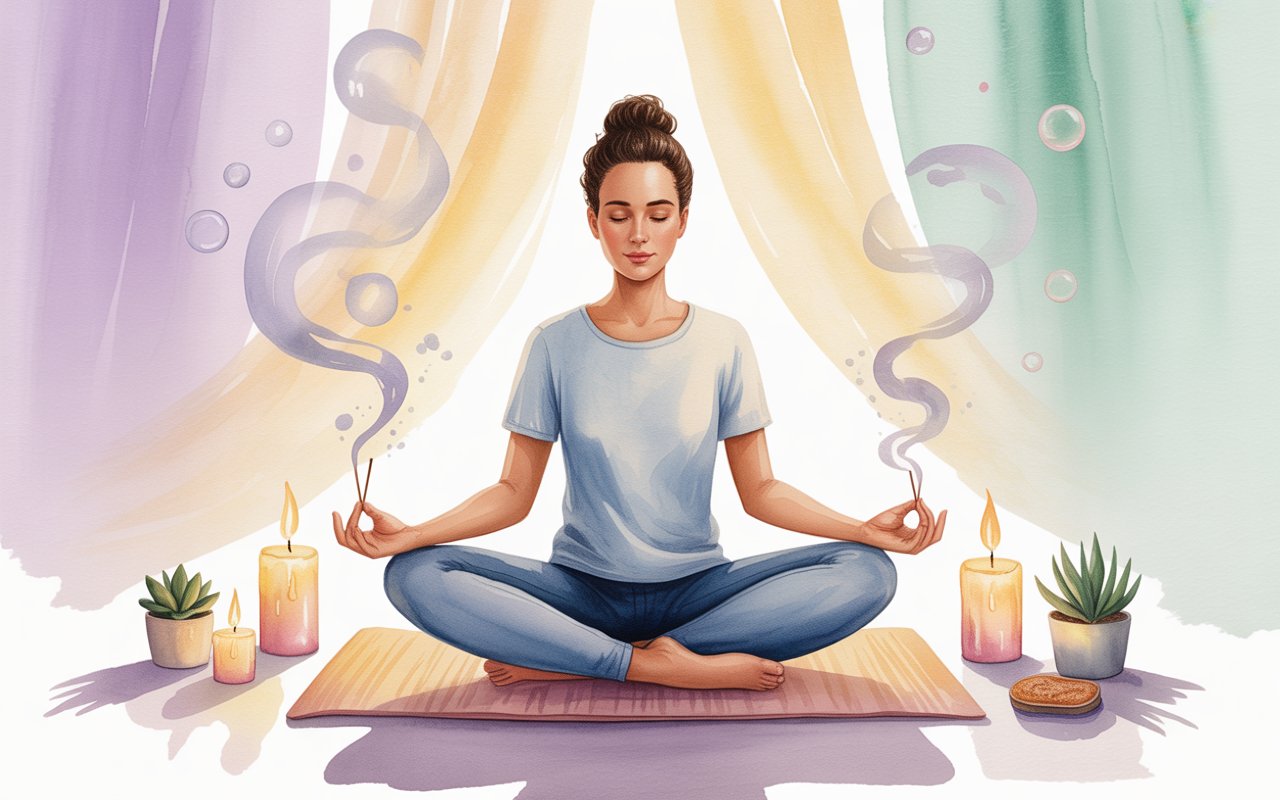
Stress and anxiety are common experiences for many people. Many people deal with stress every day. Work, family issues, health concerns, and financial obligations are parts of everyday life that commonly contribute to heightened stress levels.
What’s more, factors such as genetics, level of social support, coping style, and personality type influence a person’s vulnerability to stress, meaning that some people are more likely to become stressed than others. Minimizing the chronic stress of daily life as much as possible is important for overall health. That’s because chronic stress harms health and increases your risk of health conditions such as heart disease, anxiety disorders, and depression
It’s important to understand that stress isn’t the same as mental health disorders such as anxiety and depression, which require treatment from medical professionals. Although the tips below may relieve many types of stress, they may not help people with these conditions.
1. Get more physical activity
If you’re feeling stressed, moving your body on a consistent basis may help.
Many studies have found that participating in aerobic exercise 2 days per week significantly reduced overall perceived stress and perceived stress due to uncertainty. Many other studies have shown that engaging in physical activity helps reduce stress levels and improve mood, while sedentary behaviour may lead to increased stress, poor mood, and sleep. If you’re currently inactive, start with gentle activities such as walking or biking. Choosing an activity that you enjoy may help increase your chances of sticking to it in the long term.
2. Minimize phone use and screen time
Smartphones, computers, and tablets are an unavoidable part of everyday life for many people. While these devices are often necessary, using them too often may increase stress levels. A number of studies have linked excessive smartphone use and “Phone addiction” with increased levels of stress and mental health disorders Spending too much time in front of screens in general is associated with lower psychological well-being and increased stress levels in both adults and kids.
3. Consider supplements
Several vitamins and minerals play an important role in your body’s stress response and mood regulation. As such, a deficiency in one or more nutrients may affect your mental health and ability to cope with stress. Plus, some studies show that certain dietary supplements may help reduce stress and improve mood.
4.Reduce your caffeine intake
Caffeine is a chemical found in coffee, tea, chocolate, and energy drinks that stimulates your central nervous system. Consuming too much may worsen and increase feelings of anxiety. Plus, overconsumption may harm your sleep. In turn, this may increase stress and anxiety symptoms.
People have different thresholds for how much caffeine they can tolerate. If you notice that caffeine makes you jittery or anxious, consider cutting back by replacing coffee or energy drinks with decaffeinated herbal tea or water. Still=, people who are sensitive to caffeine may experience increased anxiety and stress after consuming much less caffeine than this, so it’s important to consider your individual tolerance.
5. Practice self-care
Setting aside time to practice self-care may help reduce your stress levels. Practical examples include:
• going for a walk outside
• taking a bath
• lighting candles
• reading a good book
• exercising
• preparing a healthy meal
• stretching before bed
• getting a massage
• practicing a hobby
• using a diffuser with calming scents
• practicing yoga
Although stress is an unavoidable part of life, being chronically stressed takes a toll on your physical and mental health. Fortunately, several evidence-based strategies can help you reduce stress and improve your overall psychological well-being.
Exercise, mindfulness, spending time with a pet, minimizing screen time, and getting outside more often are all effective methods.