Longevity Science and the Importance of Early Interventions in Childhood
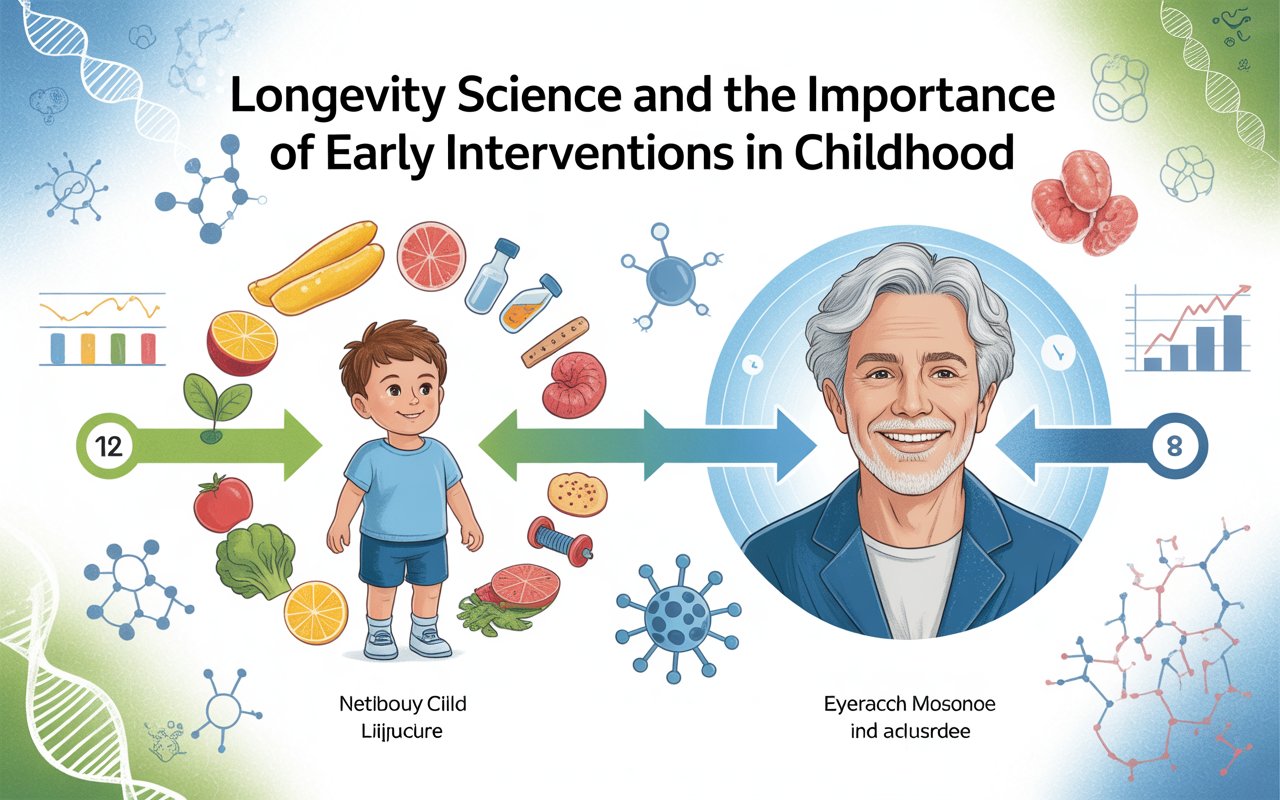
When most people think about longevity, they imagine breakthroughs in medicine that help us live longer in our later years. But the truth is, the foundation for a long, healthy life is built much earlier often in childhood. The habits, environment, and care we experience in our early years don’t just shape our growth and development; they have profound effects on how we age decades later.
What is Longevity Science?
Longevity science is an interdisciplinary field focused on understanding, preventing, and reversing the biological processes of aging to extend both lifespan and health span (the period of life spent in good health). It brings together insights from genetics, regenerative medicine, nutrition, and even AI-driven diagnostics to answer one big question: How can we not just live longer, but live better
Some key aspects of longevity science include:
Extending lifespan and health span: The ultimate goal is to increase not only the number of years lived but also ensure those years are healthy and free of age-related disease.
Targeting biological age: Instead of waiting for illnesses like diabetes or heart disease to appear, longevity science seeks to slow or reverse the underlying cellular and molecular damage that causes them.
Interdisciplinary approach: Progress in this field depends on combining knowledge from medicine, biology, nutrition, psychology, and social sciences.
Focus on healthy habits: While exciting therapies are in development, lifestyle factors—diet, exercise, sleep, and stress management—remain essential for healthy aging.
Public health implications: Longevity isn’t just about individuals—it’s also about building social and environmental systems that support well-being across populations.
Why Childhood Matters for Longevity
While longevity science often makes headlines for innovations in anti-aging drugs or regenerative therapies, researchers increasingly emphasize the importance of early life interventions. Childhood is a critical window where nutrition, habits, and environment can ”program” the body for resilience or vulnerability to disease later in life.
1. Nutrition and Growth
Adequate, balanced nutrition in childhood influences metabolism, immune strength, and even brain development. A child who eats a nutrient-rich diet is less likely to develop obesity, diabetes, or cardiovascular issues later. Micronutrients such as iron, vitamin D, and zinc play important roles in shaping long-term health.
2. Physical Activity
Encouraging children to play outdoors, move their bodies, and build active habits helps strengthen bones, muscles, and the cardiovascular system. These benefits persist well into adulthood, reducing the risks of osteoporosis and heart disease.
3. Sleep and Circadian Health
Quality sleep isn’t just about school performance, it sets the stage for hormonal balance, growth, and metabolic health. Poor sleep in childhood is linked to obesity, anxiety, and shorter lifespan.
4. Emotional and Social Well-being
A nurturing, low-stress childhood environment helps regulate stress hormones like cortisol and reduces the risk of chronic diseases that emerge later in life. Emotional security in the early years also supports resilience and mental health through adulthood.
5. Protection from Toxins
Minimizing exposure to pollutants, tobacco smoke, and endocrine disruptors can protect DNA integrity and lower the risk of chronic conditions that shorten health span.
6. Preventive Healthcare
Simple steps like vaccinations, vision and dental screenings, early treatment of health issues help prevent diseases that could compromise well-being later in life.
The Science Behind It: How Childhood Shapes Aging
The biological mechanisms connecting childhood to lifelong health are striking:
Epigenetics: Early diet, stress, and environment influence how genes are expressed, setting the trajectory for health or disease.
Immune system programming: Childhood exposure to infections, microbes, and vaccines helps train the immune system for resilience.
Cellular aging: Habits in youth influence telomere length, oxidative stress, and other markers of biological aging.
Building a Society for Longevity
Longevity science reminds us that the future of healthy aging doesn’t just lie in high-tech therapies but it starts in the way we nurture children today. Supporting balanced diets in schools, creating safe spaces for play, reducing environmental toxins, and making preventive healthcare accessible are all investments in healthier, longer lives.
In short, longevity begins long before wrinkles appear or chronic conditions arise. By prioritizing childhood health and well-being, we can extend not only the years of life but also the life in those years for individuals and society as a whole.